



Stressed Skin Is the New Burnout. Read the Signs.
You've optimised everything. The cold plunge, the magnesium, the 10pm phone curfew you keep three nights out of seven. Your calendar runs like a Swiss movement and your supplement shelf reads like a clinical trial. And still — the one thing that won't fall in line is your stressed skin.
Burnout used to live in your inbox. Now it lives on your face. Skin is the body's last honest organ: it can't fake composure the way you can in a 9am call running on four hours and a flat white. When the nervous system runs hot, your skin is the first place it shows — and the last place you'll admit it.
Your Skin Keeps the Score
Skin is the visible ledger of your nervous system, and cortisol does the bookkeeping. When the stress hormone stays elevated — the chronic, low-grade hum of too many deadlines and not enough dark — it degrades the barrier, spikes oil production, and slows the overnight repair cycle your skin depends on to reset (the cortisol–skin connection is well documented in dermatological research).
It doesn't announce itself as stress. It arrives disguised as a complexion that used to bounce back overnight and now takes a week. So the question was never whether stress shows up on your skin. It's whether you can read the handwriting.
The After-Hours Tax
Here's the part the wellness playbook skips: your cortisol doesn't clock out when you do, and your life was never built for early nights. The 2am studio session. The red-eye to a shoot. The festival weekend you'll still be paying for on Tuesday.
Every late night keeps cortisol elevated past its natural curve. The hormone that's meant to taper after dark stays switched on, and your skin never gets the quiet repair window it's owed. This is the tax on a life lived after hours — and it's written on your face long before it shows up anywhere else.
The Signs You're Reading Wrong
Most stressed skin gets misdiagnosed by the person wearing it. You blame the wrong culprit, treat the wrong thing, and wonder why nothing holds.
-
The breakout you've pinned on your cycle — often a cortisol-driven oil surge, not hormones.
-
The flush you've decided is rosacea — frequently stress-triggered inflammation that flares and fades with your week.
-
The grey, flat undertone you blame on bad sleep — your barrier, too depleted to reflect light.
You've been managing symptoms while the source runs unchecked. Reactive skin isn't asking for another active. It's asking you to find the off-switch.
Why Doing More Is Making It Worse
Under pressure, the instinct is to add — more actives, more steps, a new acid for every new flare. That instinct is the problem. A 10-step routine is just another deadline your skin didn't ask for, and every serum you stack is a small stressor layered onto a barrier already running on empty.
This is where skinimalism stops being a trend and starts being nervous-system hygiene. Stripping your routine back isn't lazy — it's the most strategic thing you can do for skin that's already overstimulated. Fewer decisions, fewer irritants, less for a depleted barrier to negotiate. The move isn't more. It's less, done with intent.
What Stressed Skin Actually Needs
Stressed skin needs an adaptogen, not an obstacle course — an ingredient that speaks directly to the cortisol cycle instead of bullying the surface. That's where Wild Indigo earns its place: the bioactive known as Neurophroline reduces cortisol production by 70% and stimulates beta-endorphin by 163%. It doesn't mask a flare. It tells your skin to stand down.
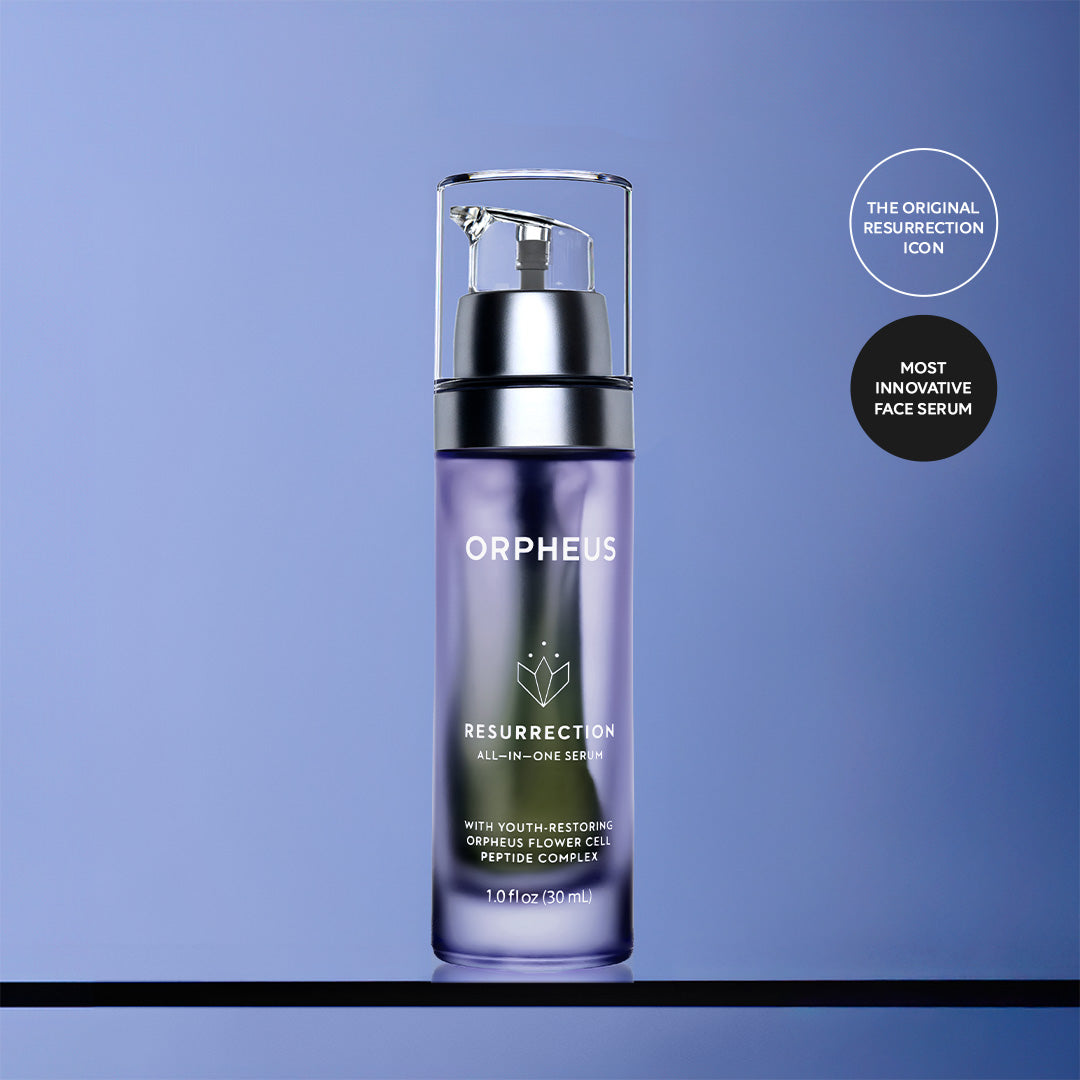
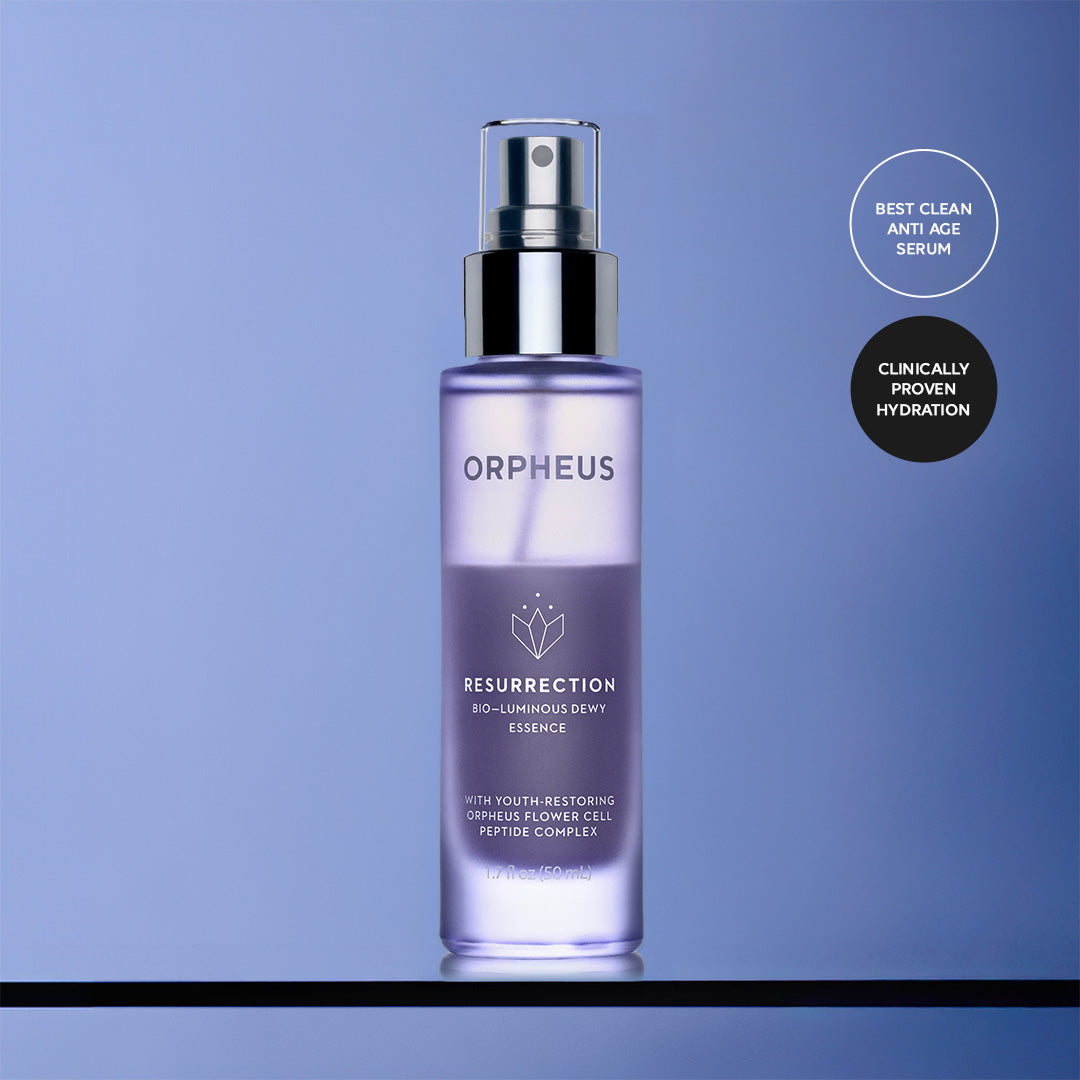
It's the engine inside the Resurrection All-in-One Serum — one formula built on the Orpheus Flower Cell Peptide Complex® that hydrates, repairs the barrier, and calms the stress response in a single, silky layer. Snow Mushroom and dual-weight hyaluronic acid hold the hydration; the peptide complex activates stress-induced DNA repair while you sleep. No stacking. No ten-step penance. One step that does the work your nervous system is too tired to do.
Your skin isn't fragile. It's honest. Stop arguing with it.
Ready to give your skin its off-switch? Shop the Resurrection All-in-One Serum and trade the routine for the ritual.
Frequently Asked Questions
Can stress really cause breakouts and dullness?
Yes — and more often than your hormones get the credit for. Chronically elevated cortisol increases oil production, weakens the skin barrier, and slows cellular repair, which shows up as breakouts, redness, and a flat, tired complexion. Most "mystery" skin issues are stress wearing a different mask.
What's the best skincare for stressed skin?
Look for adaptogens and barrier-repair ingredients rather than a pile of aggressive actives. Wild Indigo (Neurophroline) directly targets the cortisol response, while ingredients like Snow Mushroom and dual-weight hyaluronic acid rebuild a depleted barrier. The Resurrection All-in-One Serum combines both in one step.
Does cutting down my routine actually help stressed skin?
It does. Every additional product is a potential irritant on an already-compromised barrier, and over-layering acids and actives can keep reactive skin in a constant flare. A pared-back, intentional routine gives stressed skin the space to recover instead of defend.
Why do late nights and travel make my skin worse?
Because cortisol follows your schedule. Late nights and red-eyes keep the stress hormone elevated past its natural curve, robbing your skin of its overnight repair window. Over time that shows up as dehydration, dullness, and a barrier that can't keep up.
How does Wild Indigo help stressed skin?
Wild Indigo, used as the bioactive Neurophroline, lowers cortisol production by 70% and boosts beta-endorphin by 163%. In practice, that means less stress-triggered inflammation, fewer cortisol-driven breakouts, and calmer, more resilient skin over time.