

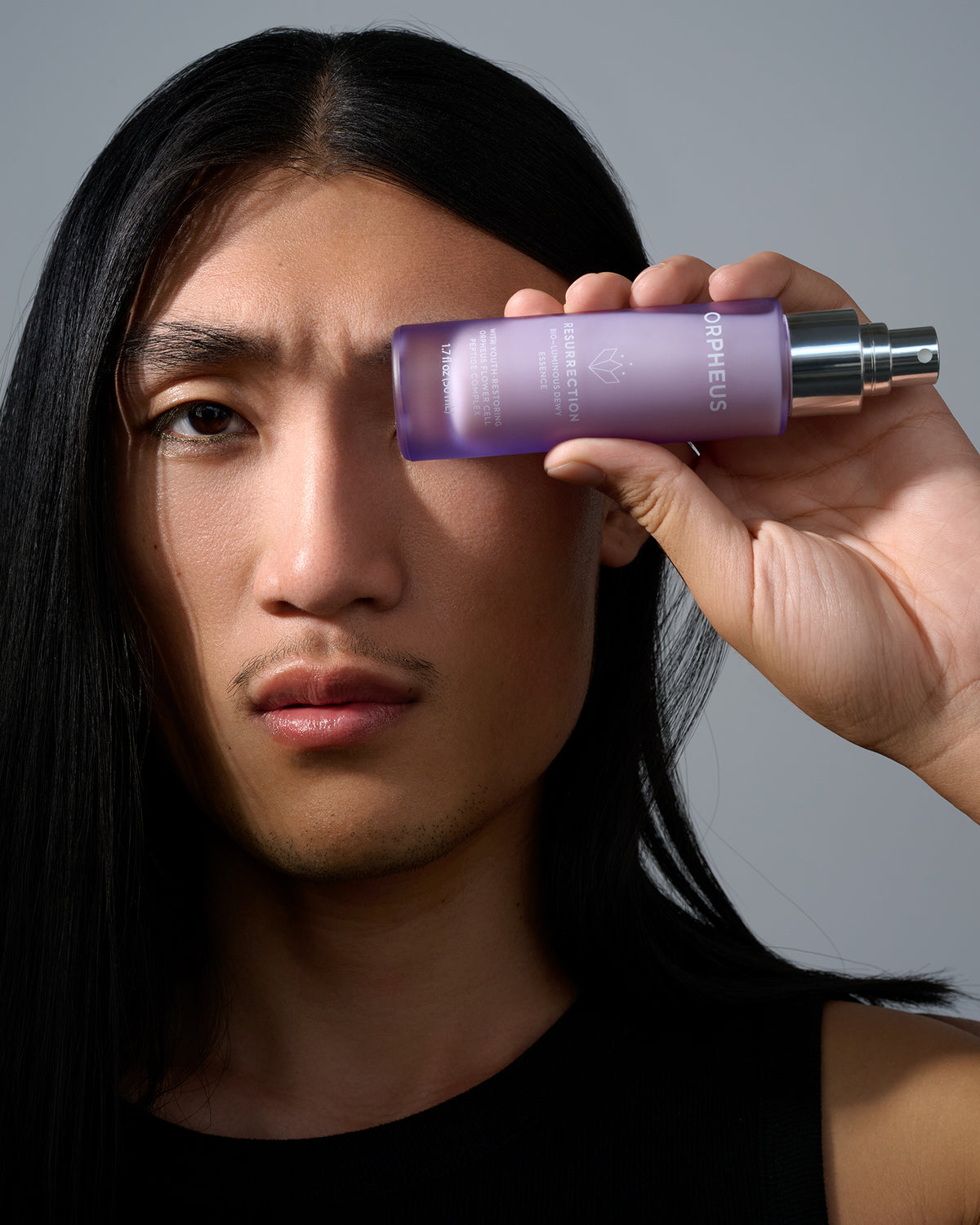


Skincare for Elasticity: A Ritual for People Who Don't Slow Down
You don't notice elasticity until it starts to go. It isn't a wrinkle or a line — it's the morning your skin looks a little less like it bounced back, the photo where your jaw reads softer than you remember, the pillow crease that lingers ten minutes longer than it used to. For people who live at full tilt, skincare for elasticity isn't vanity. It's maintenance on the one quality that makes skin look awake.
Bounce is the first thing a fast life spends and the last thing anyone thinks to protect. The better news: it's also rebuildable — if you give your skin a rhythm it can count on.
Bounce Is a Resource, and You're Spending It
Elasticity is the work of two proteins. Collagen is the scaffolding — it gives skin its structure and firmness. Elastin is the recoil — the snap that lets skin spring back after you smile, squint, or sleep on your side. Together they're why rested skin looks plump and lifted without trying.
Both are renewable, and both are spendable. Your skin produces less of them over time — but lifestyle accelerates the spend dramatically. Which means the pace you live at matters as much as the calendar does.
What's Quietly Draining Your Elasticity
Most of what erodes bounce is invisible and cumulative — small daily withdrawals you never feel until the balance runs low.
-
UV and daylight. The single biggest collagen thief. Even incidental sun on a commute breaks down the proteins that hold skin taut.
-
Screens and blue light. Hours of device exposure generate free radicals that degrade collagen and elastin.
-
Late nights and stress. Chronically elevated cortisol breaks collagen down faster than skin can rebuild it — the same mechanism that links stressed skin to burnout. Skimp on sleep and you skip the overnight repair window entirely.
-
Sugar and glycation. Excess sugar stiffens collagen fibres through a process called glycation, leaving them brittle instead of springy.
-
Pollution. Urban particulates settle on skin and drive oxidative stress that chips at structural proteins all day long.
Read that list back and you'll notice something: it isn't a description of bad habits. It's a description of a normal, ambitious life. You're not going to quit any of it — so the answer isn't subtraction. It's defence.
You Can't Out-Cream a Lifestyle — But You Can Out-Rhythm One
Here's the trap most people fall into: they treat slackening skin like an emergency and throw ten new products at it. More actives, more steps, a different miracle every fortnight. It never holds, because elasticity isn't won in a panic. It's built in repetition.
Skin responds to consistency the way muscle responds to training. A simple routine done morning and night, every day, will out-perform an elaborate one you abandon by Thursday. The goal isn't a longer shelf. It's a rhythm your skin can rely on — one that fits a life that doesn't slow down.
The Skincare-for-Elasticity Ritual, in Four Steps
This is the whole thing. Four steps, twice a day, under five minutes. It cleanses without stripping, preps the skin to absorb, delivers the collagen-building actives, then seals it all in.
1. Cleanse
Start with the Resurrection Serum Slip Cleanser — an amino-acid micro-foam that lifts pollution and makeup without disrupting the barrier. A tight, stripped feeling after cleansing isn't "clean," it's damage; this leaves skin conditioned and ready to receive everything that follows.
2. Tone
Sweep on the Flora Balancing Rose Toner to rebalance pH and prime the surface. Beyond hydration, its Rosa Damascena stem cells calm inflammation — quietly relevant here, since inflammation is one of the forces breaking down your collagen in the background.
3. Treat
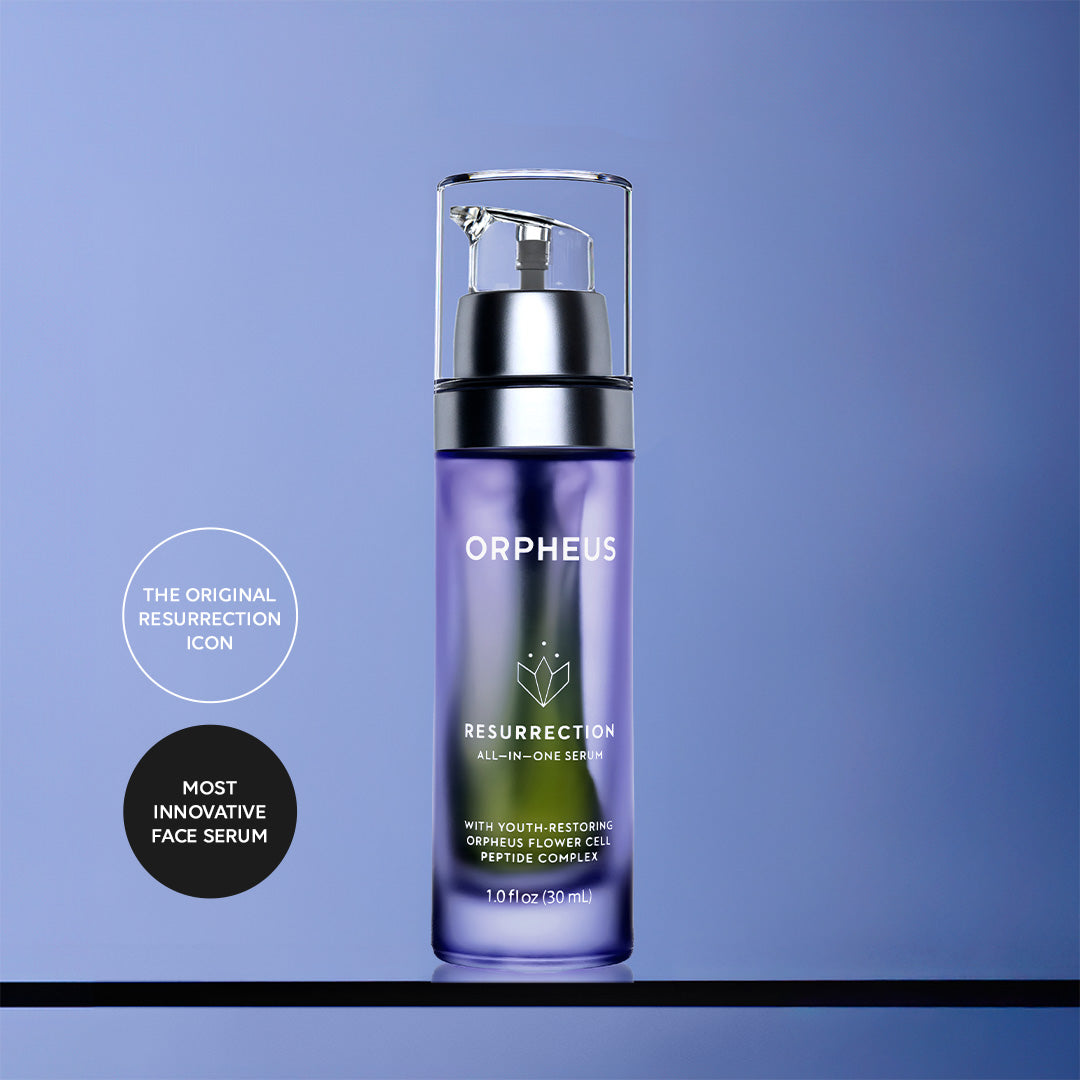
This is the step that does the structural work. Massage one to three pumps of the Resurrection All-in-One Serum into your face, neck, and décolleté — always upward, always unhurried. The Orpheus Flower Cell Peptide Complex® is clinically shown to boost youth collagen type 1 by 207% and type 3 by 122%, while lifting peptides like Palmitoyl Tripeptide-38 target firmness and recoil. Don't skip the neck; it slackens faster and gets ignored most.
4. Seal
Lock everything in with the Bio-Shield Cream. Bio-identical ceramides repair the lipid barrier while an anti-pollution and cacao complex shields against the blue light and particulates from your problem list. It's the difference between actives that evaporate and actives that stay and work — clinically, a 42% recovery of lost hydration in seven days.
Two minutes in the morning. Three at night. That's the ritual.
The Two Doing the Heavy Lifting
Strip the routine to its essentials and the serum and the cream are the engine. The Resurrection All-in-One Serum builds — collagen, density, bounce — on the same peptide complex proven to increase critical DNA-repair genes by 118%, so skin keeps regenerating instead of merely coping. The Bio-Shield Cream protects and reinforces, enhancing density and elasticity while defending the barrier that holds all that work in place.
Build and protect. That's the entire philosophy of skincare for elasticity, reduced to two bottles. Everything else is refinement.
Consistency Beats Intensity, Every Time
The hardest part of this isn't the routine — it's trusting that something this simple, done this regularly, beats something dramatic done occasionally. It does. Elasticity is a long game, and the people who keep their bounce aren't the ones with the fullest shelves. They're the ones who showed up for their skin on the nights they were too tired to.
Your face keeps the rhythm you give it. Make it a good one.
Build your ritual around the engine: shop the Resurrection All-in-One Serum and start banking bounce tonight.
Frequently Asked Questions
What does elasticity mean in skincare?
Elasticity is your skin's ability to stretch and snap back, governed by two proteins: collagen for firmness and structure, elastin for recoil. When they're plentiful, skin looks plump and lifted; as they deplete, it starts to slacken and crease. Most skincare for elasticity is really about protecting and rebuilding those two proteins.
Can you actually rebuild skin elasticity?
You can meaningfully support it. While you can't reverse the process wholesale, bioavailable peptides stimulate fresh collagen production and consistent protection slows the daily breakdown. The Orpheus Flower Cell Peptide Complex®, for instance, is clinically shown to boost collagen type 1 by 207% — which translates to firmer, bouncier skin over time.
What's the best skincare routine for elasticity?
Keep it simple and consistent: cleanse without stripping, tone, treat with a collagen-supporting serum, then seal with a barrier cream — morning and night. A four-step routine you actually keep will out-perform a ten-step one you abandon. The Resurrection All-in-One Serum and Bio-Shield Cream cover the "treat" and "seal" steps as a pairing.
Does stress really affect skin elasticity?
Yes. Chronically high cortisol breaks down collagen faster than skin can rebuild it, and poor sleep robs skin of its overnight repair window — both of which speed up slackening. It's why managing stress and protecting elasticity go hand in hand.
How long until I see results?
Hydration and bounce often improve within days, but structural change — real collagen rebuilding — takes consistent use over weeks. Think of it like fitness: the early glow comes quickly, the lasting firmness is earned through repetition.
Read more

Your skin doesn't just need to recover. It needs to resurrect. Discover the 4-step bioactive protocol to repair festival damage now.
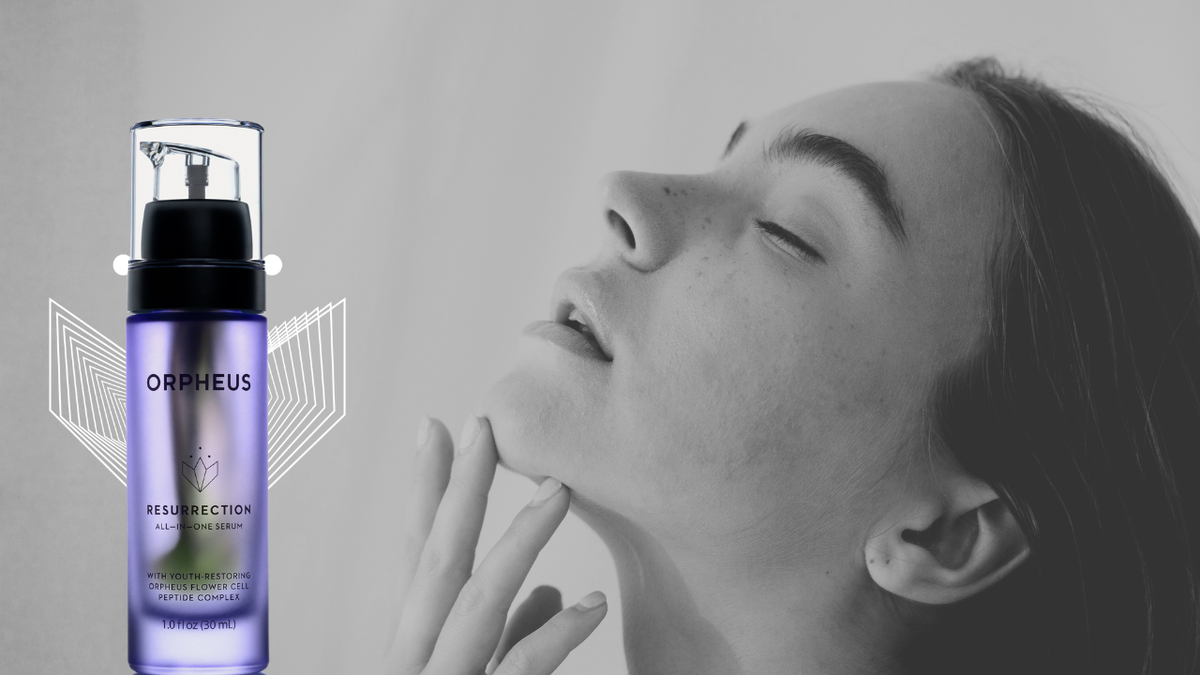
Your deadline can't touch your glow. The science of cortisol, the adaptogen that shuts it down, and the one serum stressed skin actually needs.