



Healing Skincare Is Broken: What Your Barrier Actually Wants
Somewhere along the way, "healing skincare" became code for surrender. Strip the routine, slather on something thick, hide indoors, and wait. The beauty aisle treats damaged skin like a fragile patient on bed rest — swaddled, sedated, and going nowhere.
Your skin deserves a better prognosis. Because real healing skincare isn't about comfort. It's about reconstruction — rebuilding the barrier, rearming the microbiome, and giving your skin the raw materials to repair itself. That's not a vibe. It's biology, and it's measurable.
The Barrier Is the Whole Story
Every symptom you associate with damaged skin — tightness, redness, flaking, that sting when serum touches your face — traces back to one structure: the skin barrier. It's a precision-built wall of cells and lipids, and when it's intact, hydration stays in while pollution, bacteria, and irritants stay out.
When it's compromised, the numbers turn against you. Water escapes through the cracks — dermatologists call it transepidermal water loss, and research links a disrupted barrier directly to inflammation, sensitivity, and chronic skin conditions. Dehydrated skin becomes inflamed skin. Inflamed skin heals slower. The cycle feeds itself.
So the first rule of healing is unglamorous but absolute: fix the wall first. Everything else is interior decorating in a house with no roof.
Why Most Healing Skincare Keeps Skin Sick
Here's the industry's quiet secret: most products marketed as healing don't repair anything. Heavy occlusives seal the surface and call it a day — the dermatological equivalent of pulling a duvet over a broken window. The skin underneath stays under-built, and the moment you stop applying, the damage reports back for duty.
The other failure mode is overcorrection. Panic-buying five soothing products and layering them onto a compromised barrier introduces five new formulas, five preservative systems, and five chances to irritate skin that's begging for less. Sensitised skin doesn't need more. It needs precise.
Real repair requires ingredients your skin recognises as its own — components it can actually build with, not just hide under.
Your Microbiome Is the Repair Crew You Keep Firing
Living on your skin right now: billions of microorganisms that regulate inflammation, fend off harmful bacteria, and train your skin's immune response. This is the microbiome, and it's not a passenger — it's infrastructure.
Harsh cleansers, over-exfoliation, and antibacterial everything wipe out this workforce, and skin with a depleted microbiome heals slower and reacts faster. The fix is bioactive, not brutal: Lactobacillus Probiotic Ferment strengthens the microbiome and reinforces skin's natural defense system, so your barrier isn't rebuilding alone.
Think of it as staffing the construction site before you ship in the bricks.
Rebuild With Bricks Your Skin Recognises
And the bricks matter. Your barrier's mortar is made of ceramides — lipids your skin produces less of under stress, over time, and after damage. Replacing them with lookalikes doesn't cut it; skin integrates bio-identical ceramides because they're molecularly indistinguishable from its own.
This is the logic behind the Resurrection Bio-Shield Cream: bio-identical ceramides to rebuild the mortar, Lactobacillus Probiotic Ferment to restore the microbiome, and Pollustop Bioshield to deflect the pollution and blue light that started the damage in the first place. At its core, the Orpheus Flower Cell Peptide Complex® — botanical stem cells, antioxidants, and plant tripeptides from a flower that survives total dehydration and revives with a single drop of water. Rich, but never heavy. Protection that reads as armor, not a blanket.
Because that's the standard: skincare that heals shouldn't just make damage bearable. It should make it temporary.
Your skin was never fragile. It was under-supplied. Fix that, and recovery stops being the goal — resilience is.
Frequently Asked Questions
How do I know if my skin barrier is damaged?
The signs are consistent: tightness after cleansing, stinging when you apply products that never used to sting, redness, flaking, and breakouts in new places. If your skin feels dry no matter how much you hydrate it, water is escaping through a compromised barrier.
What actually helps skin heal faster?
Three things: ceramides to rebuild the barrier's structure, microbiome support to restore your skin's defense system, and protection from ongoing aggressors like pollution and blue light. The Resurrection Bio-Shield Cream combines all three — bio-identical ceramides, Lactobacillus Probiotic Ferment, and Pollustop Bioshield — in a single formula.
Should I stop using actives while my skin heals?
Pause the aggressive ones — retinoids, strong acids, and physical scrubs all interrupt barrier repair. Keep hydration and barrier-building ingredients in rotation. Once the tightness and reactivity settle, reintroduce actives one at a time, low and slow.
How long does it take for a damaged skin barrier to heal?
Mild damage resolves in days with the right support; a seriously compromised barrier takes two to four weeks of consistent repair. The variable you control is consistency — barrier rebuilding rewards routine, not intensity.
Is healing skincare different from regular skincare?
Yes — it's stripped down and purpose-built. Regular routines chase goals like brightening or smoothing; healing skincare focuses exclusively on barrier repair, microbiome balance, and protection, with zero irritants competing for your skin's attention.
Read more
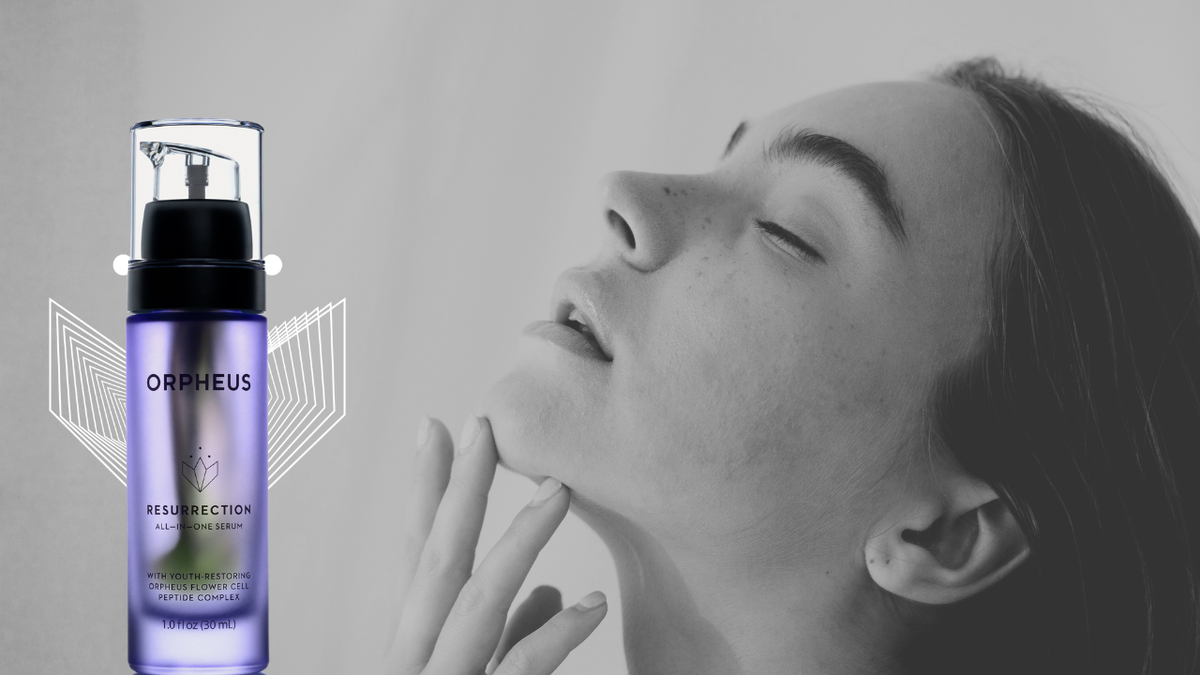
Your deadline can't touch your glow. The science of cortisol, the adaptogen that shuts it down, and the one serum stressed skin actually needs.
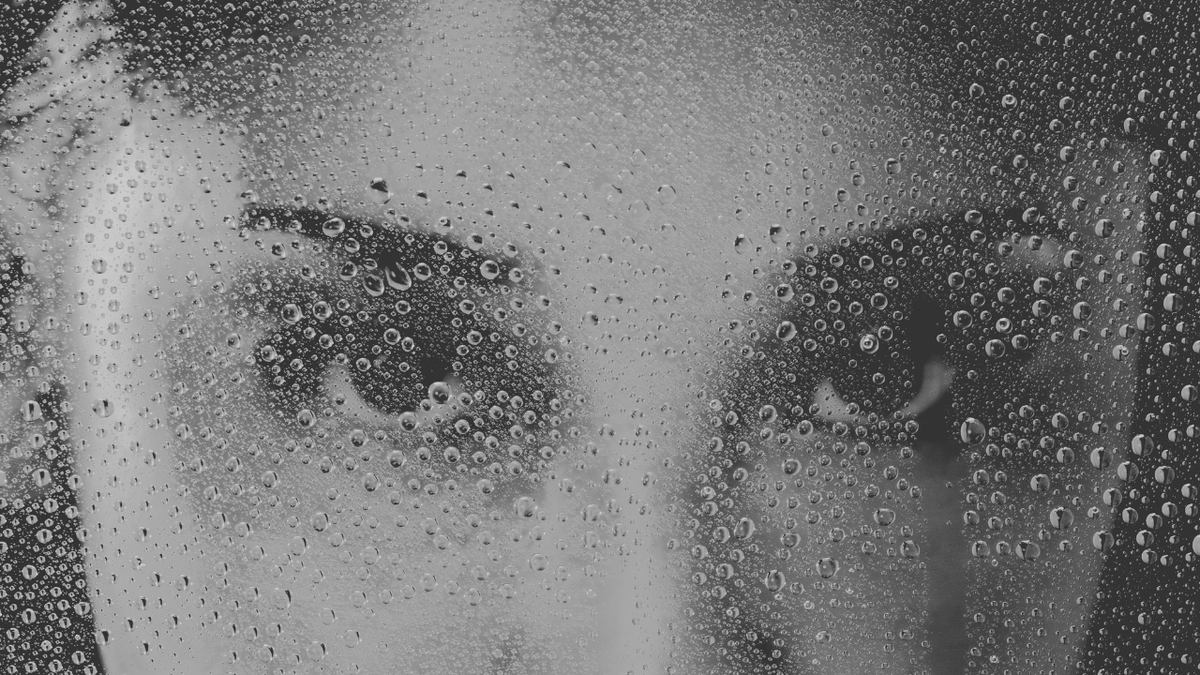
Twelve steps, eleven bottles, and a face that still won't cooperate. The glass skin trend mutated into a dare, and your barrier paid for it. So here's what all that over-layering actually does unde...