




Sustainable Skincare: The Truth Your Shelf Won't Tell You
Open the cabinet. Count the bottles. There's the toner you used twice, the serum that promised a glow and delivered a rash, the cream that came in a jar so heavy it felt like it had to be working. Most of it is half-full. Some of it is expired. All of it was bought in the name of "better skin."
That graveyard of good intentions is the part of the beauty industry nobody photographs. So when we talk about sustainable skincare, let's start where the real footprint lives, which is not on a label that says "clean." It lives on your shelf.
Why "Clean" Became a Marketing Costume
Somewhere along the way, sustainability turned into an aesthetic. Kraft paper boxes. Muted sage packaging. A little leaf icon that means almost nothing. Brands learned that the look of responsibility sells faster than the practice of it, so they leaned in hard.
Here's the problem with buying "green" as a shopping habit: you're still buying. A recyclable bottle you don't finish is still waste. A refill pod for a product your skin never needed is still consumption dressed up as conscience. Sustainable skincare was never going to come from purchasing more carefully. It comes from purchasing less.
The Real Carbon Cost Lives in Your Cabinet
The numbers back this up. The cosmetics industry produces more than 120 billion units of packaging every year, most of it plastic, most of it never recycled. Add the water pulled into manufacturing, the freight moving product across oceans, and the returns that get quietly landfilled, and the footprint of a single crowded routine gets heavy fast.
Now multiply that by a ten-step ritual. Ten products, ten bottles, ten manufacturing runs, ten shipping journeys, all to do the work a well-formulated few do alone. We spent years overdosing
on the glass skin routine and calling it self-care. The planet paid for the layering, and so did your barrier. Every extra step you add is a resource cost you signed up for without reading the terms.
Skinimalism Is the Only Honest Sustainability
Skinimalism gets dismissed as a trend. It's the opposite. It's the correction. Doing less isn't laziness when doing more was the mistake, because your skin was never asking for twelve actives fighting each other at 2am. It was asking for the right ones, formulated to work together.
That means every product you cut is a footprint you erase. Fewer bottles in the bin. Less water in the manufacturing line. Less freight, less plastic, less of the guilt that comes from watching a serum expire unopened. So the math flips: doing less does more, both for your skin and for the systems straining behind every bottle. The most sustainable skincare move you can make this year is to stop treating your face like a science experiment and start treating it like it already knows what it's doing.
Cut the redundant exfoliating steps. Drop the third hydrating layer that undoes the first two. Stop feeding stressed skin more product when what it needs is fewer, smarter interventions.
One Formula, Every Level
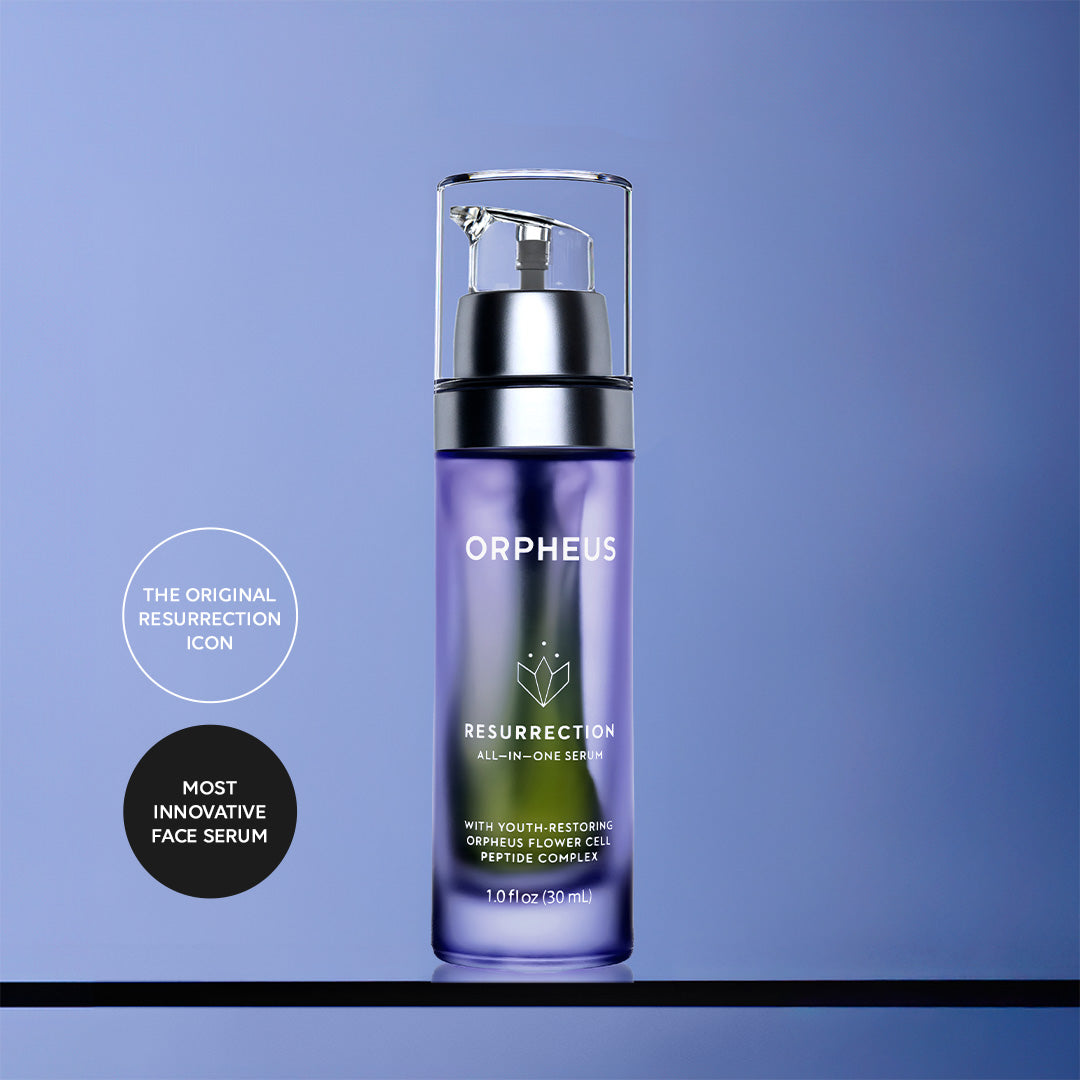
This is where biotech changes the math. The Resurrection All-in-One Serum was built to replace the pile, not join it. Powered by the Orpheus Flower Cell Peptide Complex®, it delivers multi-correction in a single step, so hydration, barrier repair, and radiance stop living in three separate bottles and start living in one. Visible improvements in plumpness, firmness, and radiance show within 15 days, which means you buy one thing and finish it.
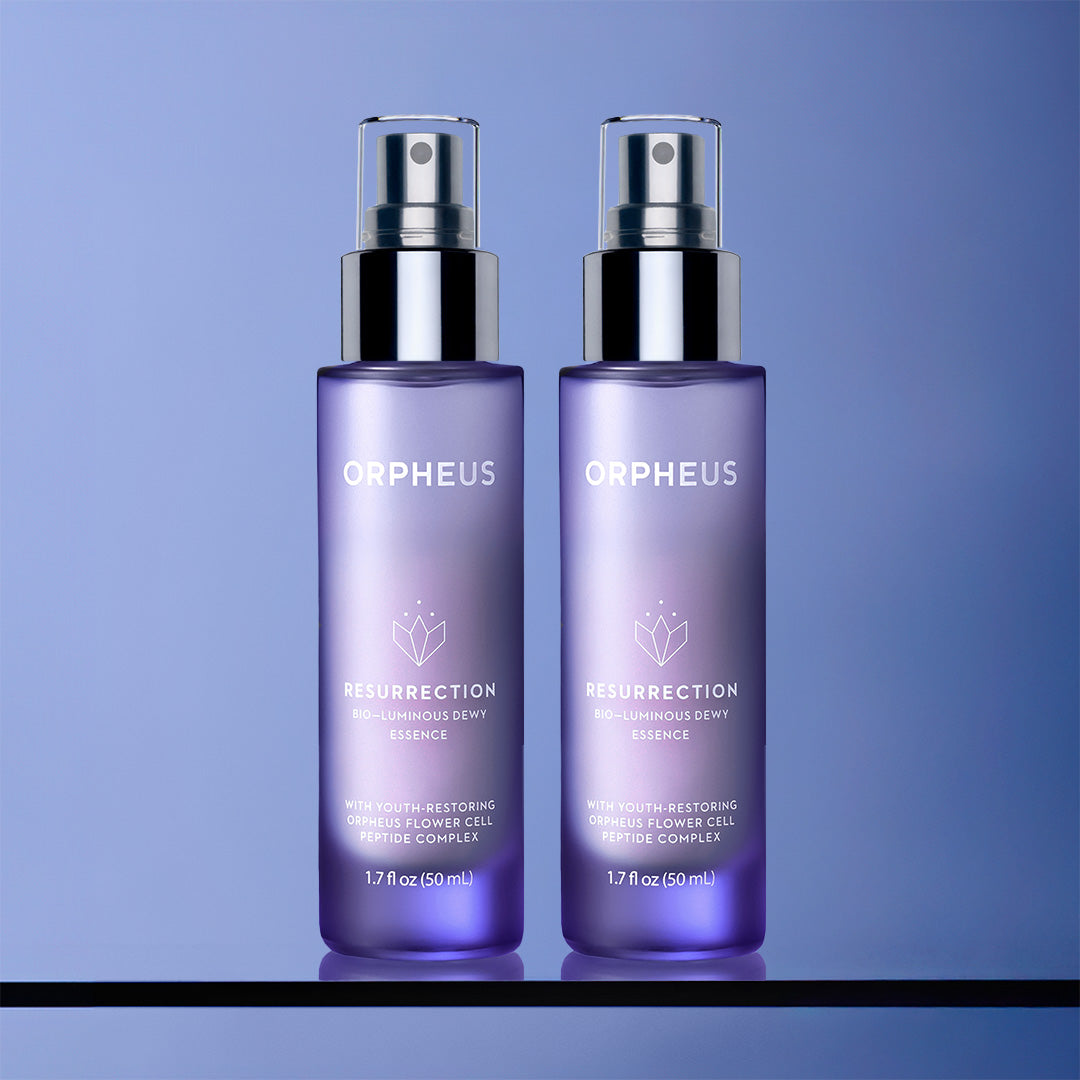
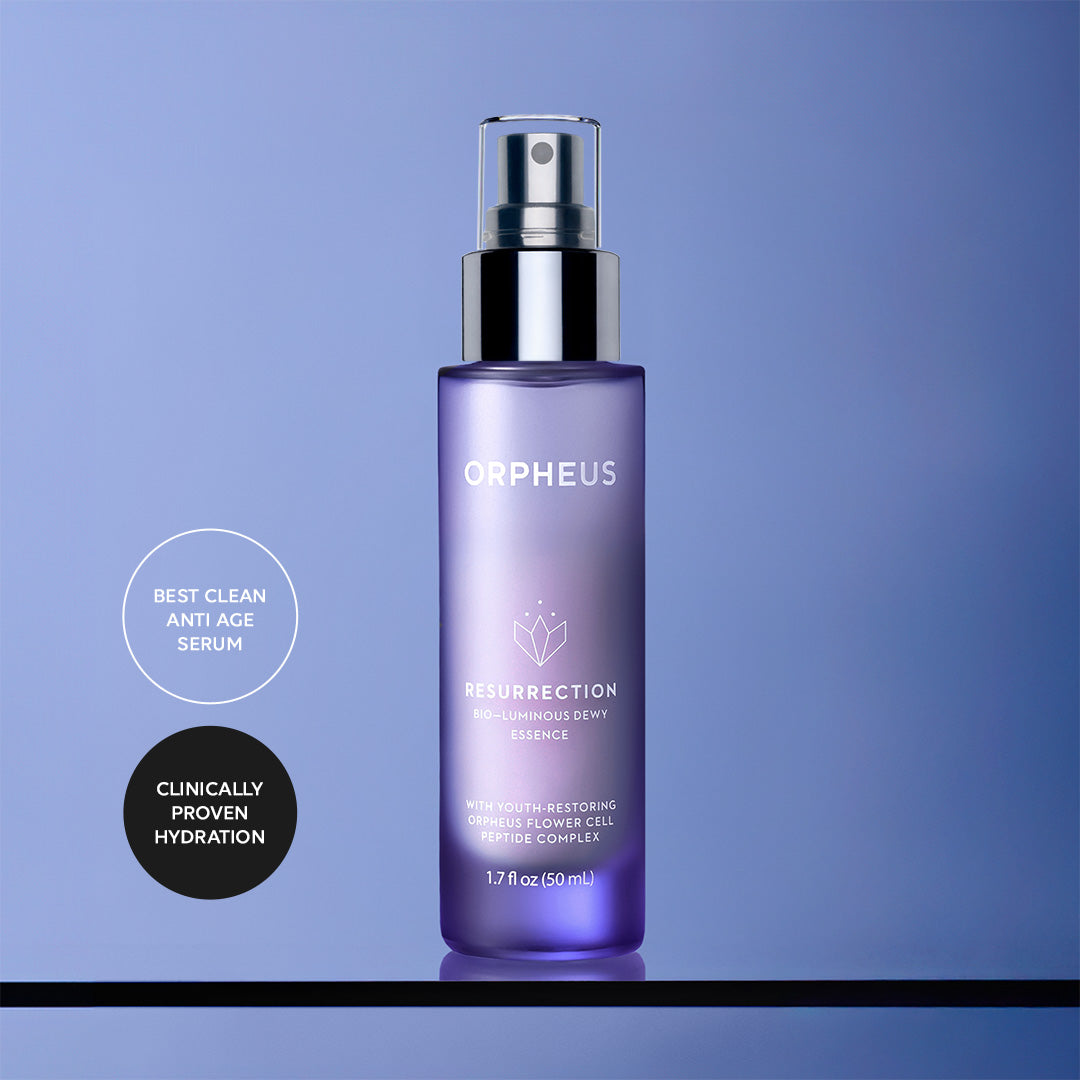
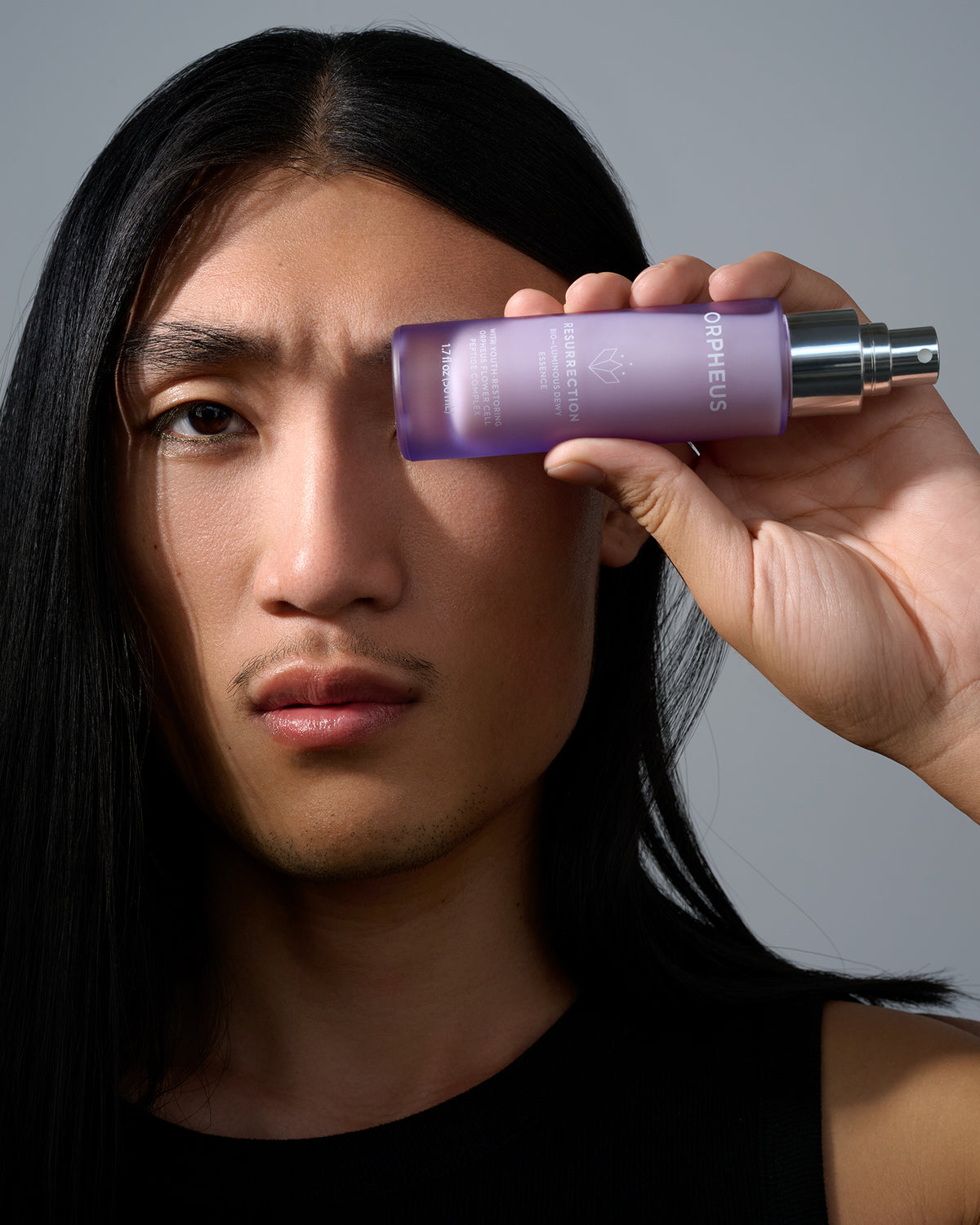
For the days you're moving, the Bio-Luminous Dewy Essence is the skinimalist's shortcut, a serum-in-a-mist that delivers a 60% immediate hydration boost with 92% of that moisture still there 24 hours later. One product, in your bag, doing the work of a full routine. Then shield it from pollution and blue light if the day demands it, and stop there.
That's the whole point. Sustainability that fits in one hand.
Because the greenest routine isn't the one with the prettiest packaging. It's the one you can actually finish.
Ready to trade the shelf for the ritual? Explore the Resurrection All-in-One Serum and see what one formula can retire.
Frequently Asked Questions
Is minimal skincare actually more sustainable than using natural products?
Yes, and it's not close. A short routine you finish creates less packaging, less manufacturing waste, and less freight than a long routine built from "natural" products you abandon halfway. Buying fewer, higher-performance formulas beats buying more responsibly labeled ones every time.
Can one product really replace a full skincare routine?
It can when the formula is built for it. The Resurrection All-in-One Serum delivers hydration, barrier repair, and radiance in a single step through the Orpheus Flower Cell Peptide Complex®, which removes the need to layer three or four separate products to hit the same targets.
How do I make my current skincare routine more sustainable without buying anything new?
Finish what you own before you replace it, and cut the steps that duplicate each other. Two hydrating layers, three exfoliants, and overlapping actives are the fastest waste to eliminate. Reducing your routine to what your skin actually responds to is the cheapest and most effective change you can make.
Does sustainable skincare mean giving up results?
No. The results problem comes from doing too much, not too little, because layering competing actives often cancels out the benefits you paid for. A focused biotech formula gives you clinical performance with a fraction of the footprint.
What's the most eco-friendly way to travel with skincare?
Pack a multi-tasker instead of miniatures of your whole shelf. The Bio-Luminous Dewy Essence works as a serum-in-a-mist for on-the-go hydration, so one item covers what five travel sizes normally would, with less plastic in your bag and less left behind.
Read more

Strength became shorthand for results, and skin paid for it. The case for gentle exfoliation, the fruit cell that resurfaces without irritation, and why your cleanser should be doing the work.

The morning after is filing a complaint. Your skin didn't get dirty last night, it got depleted, and you can't scrub your way back. The real detox skincare move is recovery.